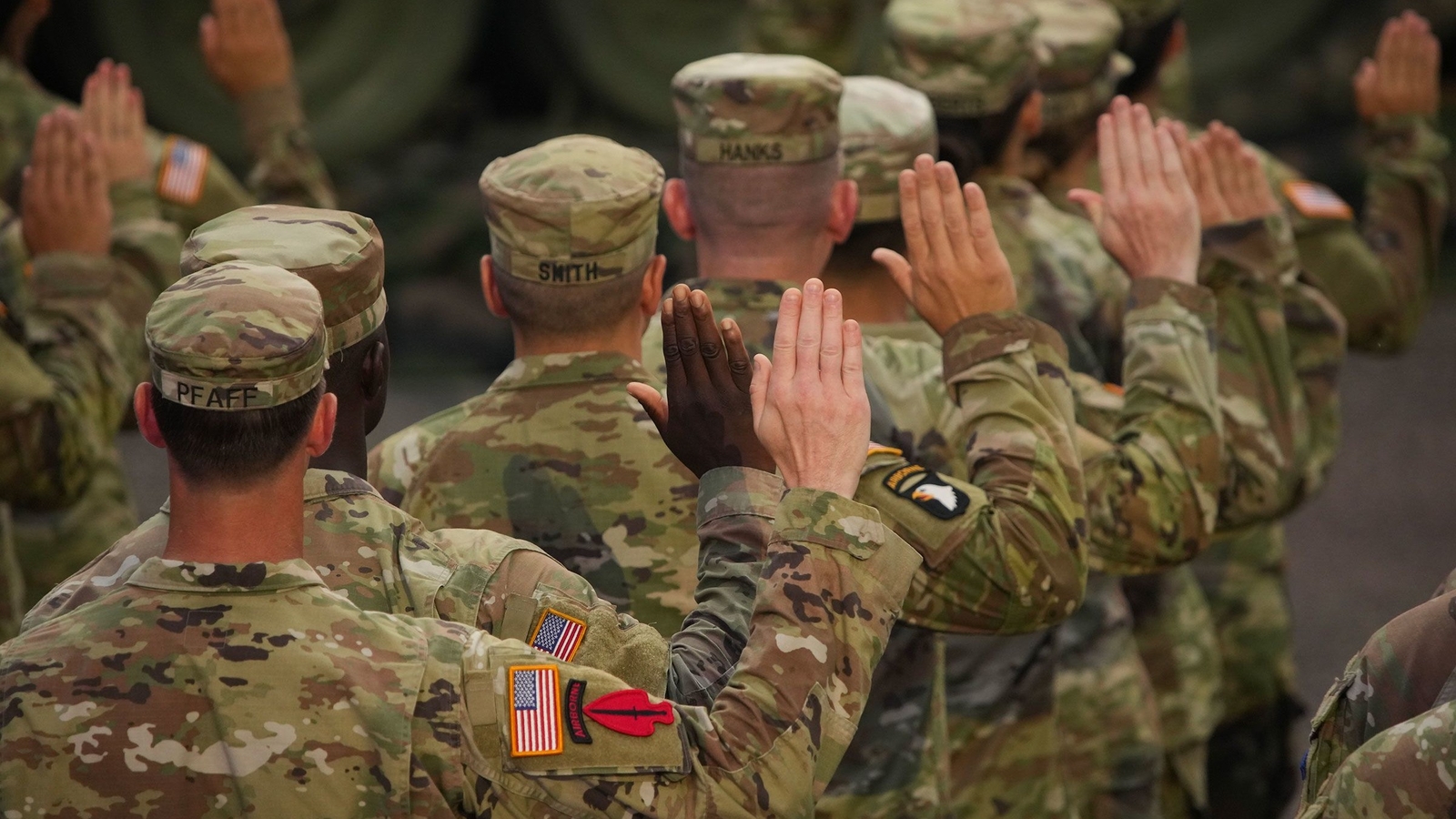
Automatic Draft Registration: What Young Men Need to Know Now
For decades, registering for the Selective Service System (SSS) was a proactive step, a civic duty that young men aged 18 to 26 had to remember to complete. Failure to do so, often due to oversight or lack of awareness, carried serious penalties. However, a significant change is on the horizon, one that will fundamentally alter this process for future generations. Starting in December, a new measure enacted as part of the annual defense policy bill will usher in automatic military draft registration for eligible young men across the United States. This isn't just a minor administrative tweak; it's a nationwide shift designed to streamline the process, save taxpayer dollars, and, crucially, prevent young men from being "unknowingly penalized" for a lapse in registration. Whether you're approaching your 18th birthday or already within the eligible age range, understanding this new landscape is paramount.
The Shift to Automatic Registration: What's Changing?
The traditional method of Selective Service registration required men to actively sign up within 30 days of their 18th birthday. This often involved filling out forms online, via mail, or at post offices. While seemingly straightforward, this system inadvertently led to many individuals missing the deadline, opening them up to potential legal and financial repercussions. The new measure, tucked into the National Defense Authorization Act (NDAA) which President Donald Trump signed into law, aims to fix this by making the process automatic.
Beginning in December, eligible men will no longer need to remember to register themselves. Instead, they will be automatically added to the national draft pool. This change applies to all male U.S. citizens and "every other male person" residing in the country between the ages of 18 and 26. The bipartisan support for this measure, as highlighted by Democratic Rep. Chrissy Houlahan, who sponsored the automatic selective service language, underscores a broad consensus on its merits. Houlahan noted that this reform "not only saves taxpayer dollars by eliminating the need to advertise but finally ensures that young men are not unknowingly penalized." This means less confusion, fewer forgotten deadlines, and a more robust, comprehensive registration system. You can learn more about how these new rules aim to prevent such oversights in our detailed article: Automatic Selective Service: How New Rules Prevent Unknowing Penalties.
Who Needs to Register (and Who Doesn't)?
The requirements for Selective Service registration remain consistent, even with the shift to an automatic military draft system. It's crucial to understand who is included:
- Male U.S. Citizens: All men who are U.S. citizens must register.
- Male Immigrants: This includes legal permanent residents, refugees, asylum seekers, and even undocumented immigrants. The phrase "every other male person" in the country covers a wide range of statuses.
- Age Range: The requirement applies to men between their 18th and 26th birthdays.
- Dual Nationals: U.S. citizens or residents who are also citizens of another country are still required to register.
Important Note for Disabled Men: A common misconception is that men with disabilities, or those who wouldn't qualify for military service, are exempt from registration. This is incorrect. All eligible men, regardless of physical or mental disability, must still register with the Selective Service. Registration is for the purpose of maintaining a comprehensive list of potential draftees and assessing overall eligibility, not an immediate call to service. Exemptions or deferments are considered only if a draft were ever enacted.
The Serious Consequences of Non-Compliance
While the new automatic registration system aims to drastically reduce instances of unintentional non-compliance, the penalties for failing to register (or attempting to circumvent the system) remain severe. It’s imperative for every eligible young man to understand these repercussions:
- Felony Charge: Failing to register with the Selective Service is a felony under the Military Selective Service Act.
- Financial Penalties: This can lead to fines of up to $250,000.
- Imprisonment: Conviction can result in imprisonment for up to five years.
- Loss of Federal Student Aid: Ineligible for federal student loans (e.g., Stafford, Perkins) and Pell Grants.
- Federal Employment Ineligibility: Barred from federal jobs, including positions with the U.S. Postal Service.
- State-Specific Penalties: Many states tie selective service registration to state-level benefits, such as state financial aid, state employment, and even driver's license issuance/renewal.
- Immigration Status Impact: For male immigrants, failure to register can lead to denial of U.S. citizenship.
These consequences are significant and can profoundly impact an individual's future. The shift to automatic military draft registration is, in part, a proactive measure to safeguard young men from unknowingly stumbling into these severe penalties.
Understanding the Draft Process: Hypothetical Scenario & Your Rights
It's vital to clarify that the implementation of automatic registration does not mean a draft is imminent. The last time a draft was in effect was in February 1973, during the Vietnam War. Any future draft would require a significant national emergency and specific action from both the U.S. Congress and the President to authorize it. The purpose of the Selective Service System and its registration process is to ensure the nation is prepared, should such a need arise.
Should a draft ever be authorized, here's a general outline of how it would proceed, and what rights individuals would have:
- Presidential and Congressional Approval: A draft cannot happen without explicit approval from both the President and Congress.
- Lottery System: A lottery based on birth dates would determine the order in which individuals would be called. Historically, those whose 20th birthdays fall in the year of the draft would be called first, followed by ages 21, 22, 23, 24, 25, 19, and then those more than six months past their 18th birthday.
- Medical, Mental, and Moral Evaluation: Those selected would undergo thorough evaluations to determine their fitness for service.
- Exemptions and Deferments: Individuals would have the right to request an exemption or deferment based on various grounds, such as medical conditions that preclude service, extreme hardship to dependents, or specific religious beliefs.
- Conscientious Objection: The Selective Service System recognizes conscientious objection for individuals whose deeply held moral or ethical beliefs forbid them from participating in war. However, the SSS outlines that a man’s reasons for not wanting to participate "must not be based on politics, expediency, or self-interest," and his "lifestyle prior to making his claim must reflect his current claims."
While the prospect of a draft can be unsettling, understanding the safeguards and processes in place can provide clarity. The new automatic registration system primarily serves as a preparatory measure, ensuring that if such an extreme event were to occur, the nation would have a fair and efficient way to respond. For a more in-depth look at this hypothetical scenario and what it entails, explore our guide: US Military Draft: Your Guide to Automatic Registration & The Call.
Conclusion
The introduction of automatic military draft registration marks a pivotal moment in how young men engage with this fundamental civic duty. While the responsibility to register has always been clear, the new system aims to make compliance seamless and universal, preventing inadvertent penalties that have plagued past generations. For young men aged 18 to 26, the key takeaway is awareness: you are now likely to be automatically registered. While this removes the burden of active registration, understanding the purpose of the Selective Service, the severe consequences of non-compliance, and your rights in the unlikely event of a draft remains crucial. Staying informed empowers you to navigate your responsibilities and protect your future.